
 Chiropractic services
Corrective chiropractic services in Plano, TX
NEWGEN Chiropractic offers six hands-on treatments: full-spine adjustments, extremity adjustments, Activator instrument adjusting, muscle work, intersegmental traction and spinal decompression. Every plan starts with the spine, then adds what your body needs.
 Medically reviewed by Dr. Sanio Dizdarevic, DC · Updated October 2026
How treatment works: the adjustment-first approach
- Step 1
Adjust the spine
Dr. Sanio starts with the full spine, from neck to sacrum, because it protects the nervous system that runs everything else.
- Step 2
Adjust the extremities
Next, shoulders, elbows, wrists, knees or ankles that aren't moving well are corrected.
- Step 3
Muscle work & recovery
Soft-tissue work, stretching, traction or decompression help your body hold the correction.
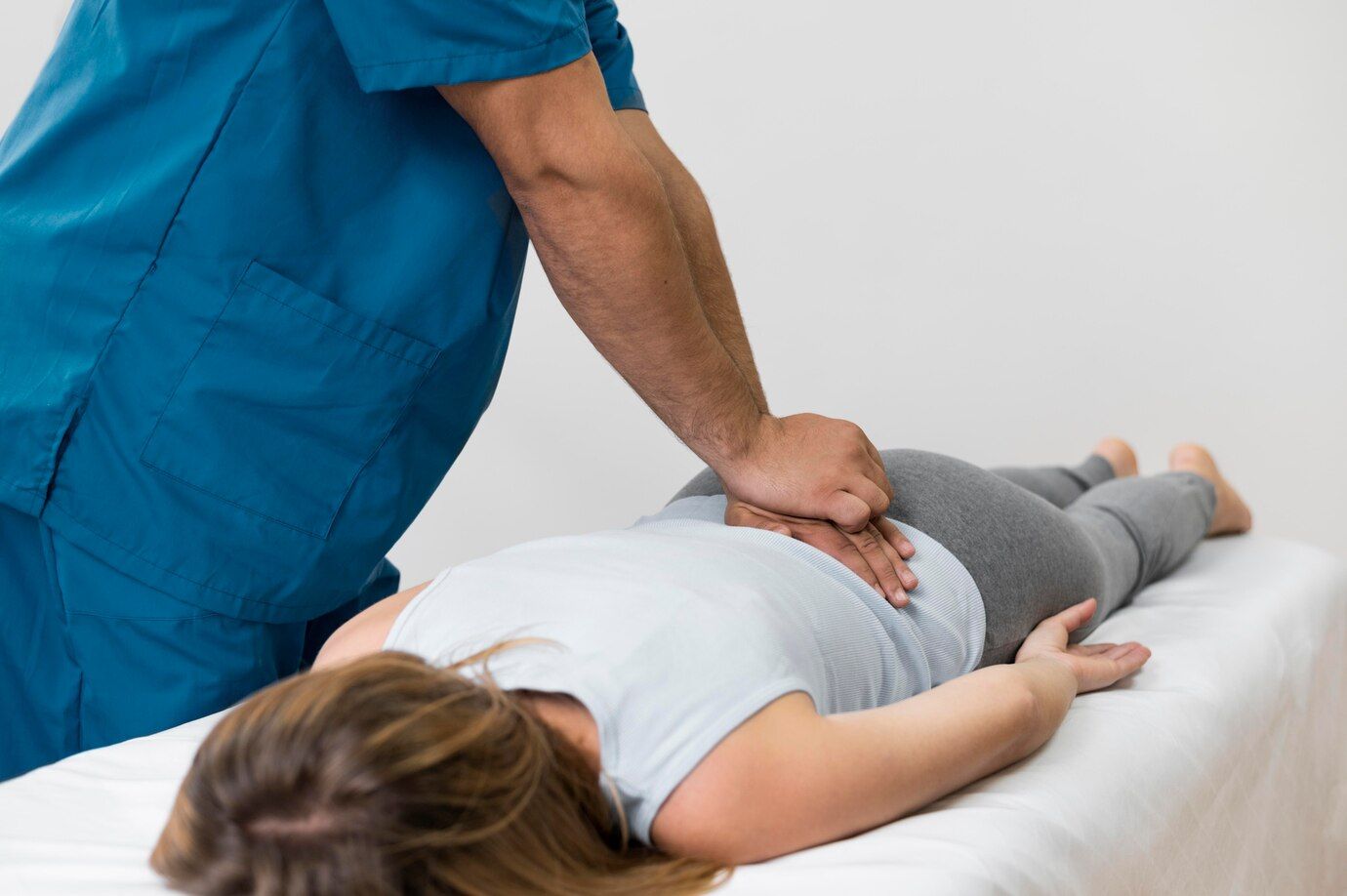
Full-spine chiropractic adjustments
A chiropractic adjustment is a quick, controlled pressure applied by hand to a joint that isn't moving properly, restoring motion and relieving pressure on nearby nerves.
- What to expect
- You'll lie on a padded table while Dr. Sanio checks each area of the spine. Adjustments take seconds; most people feel relief or looseness right away, and some feel mild soreness for a day.
- Includes
- Neck (cervical)
- Mid back (thoracic)
- Low back (lumbar)
- Pelvis
- Sacrum
- Often used for
- Low back pain, neck pain, sciatica, headaches, poor posture and subluxations. See conditions →
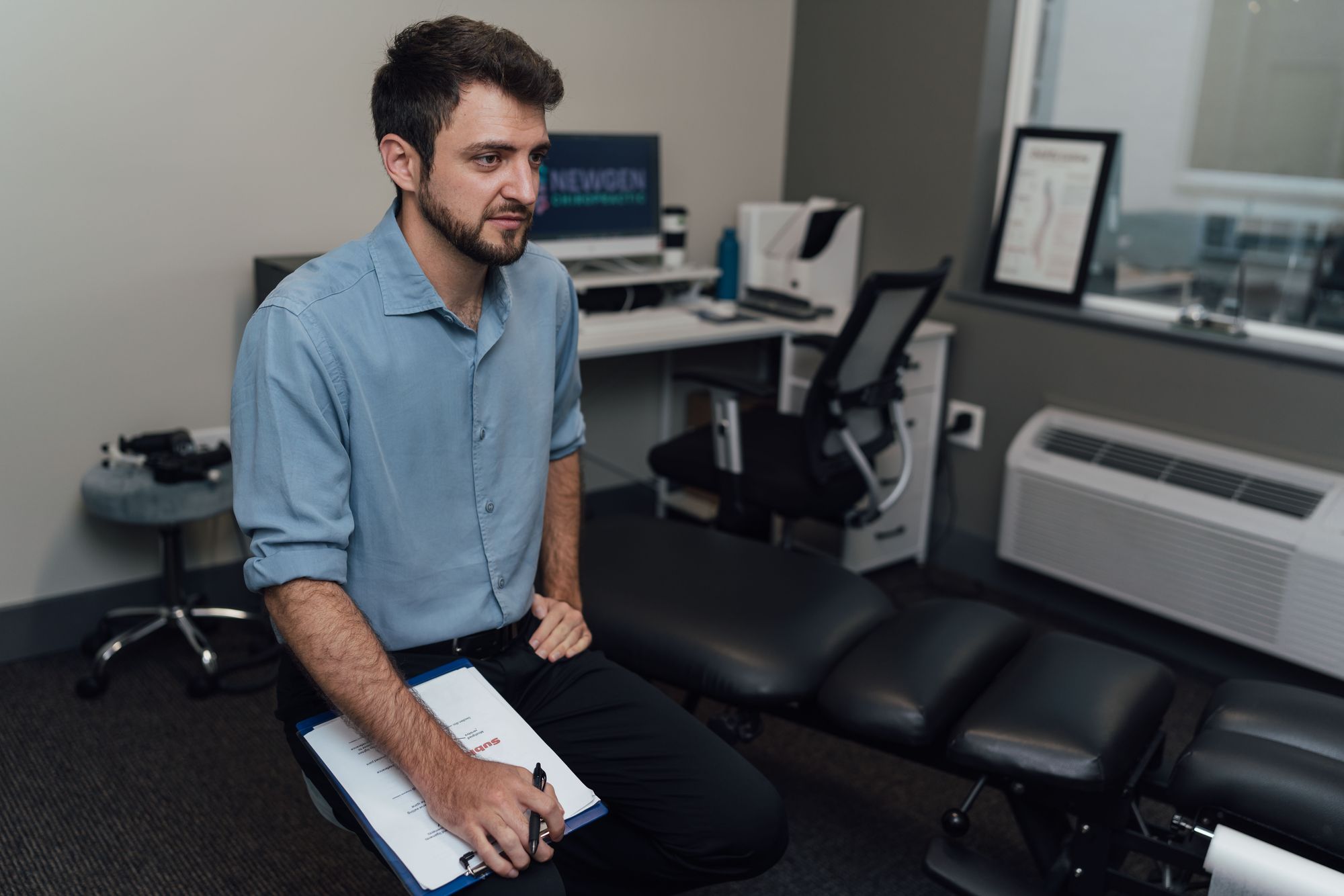
Extremity adjustments
Joints outside the spine, like shoulders, elbows, wrists, knees and ankles, can lose motion too. Extremity adjustments restore that motion so the whole limb works properly.
- What to expect
- After the spine is adjusted, Dr. Sanio tests the affected joint and adjusts it gently. Athletes often notice better range of motion immediately.
- Includes
- Shoulders
- Elbows
- Wrists
- Knees
- Ankles
- Often used for
- Tennis elbow, frozen shoulder, carpal tunnel, knee and ankle pain, and sports injuries. See conditions →

Activator instrument adjusting
The Activator is a small hand-held instrument that delivers a fast, low-force pulse to a precise point, with no twisting and no cracking sound.
- What to expect
- You'll hear a light click and feel a quick tap. It's a great option if you're nervous about manual adjustments, have arthritis, or prefer a gentler approach.
- Includes
- Low-force
- No twisting
- Pinpoint precision
- Often used for
- Arthritis, degenerative joint and disc disease, sensitive patients and anyone new to chiropractic. See conditions →
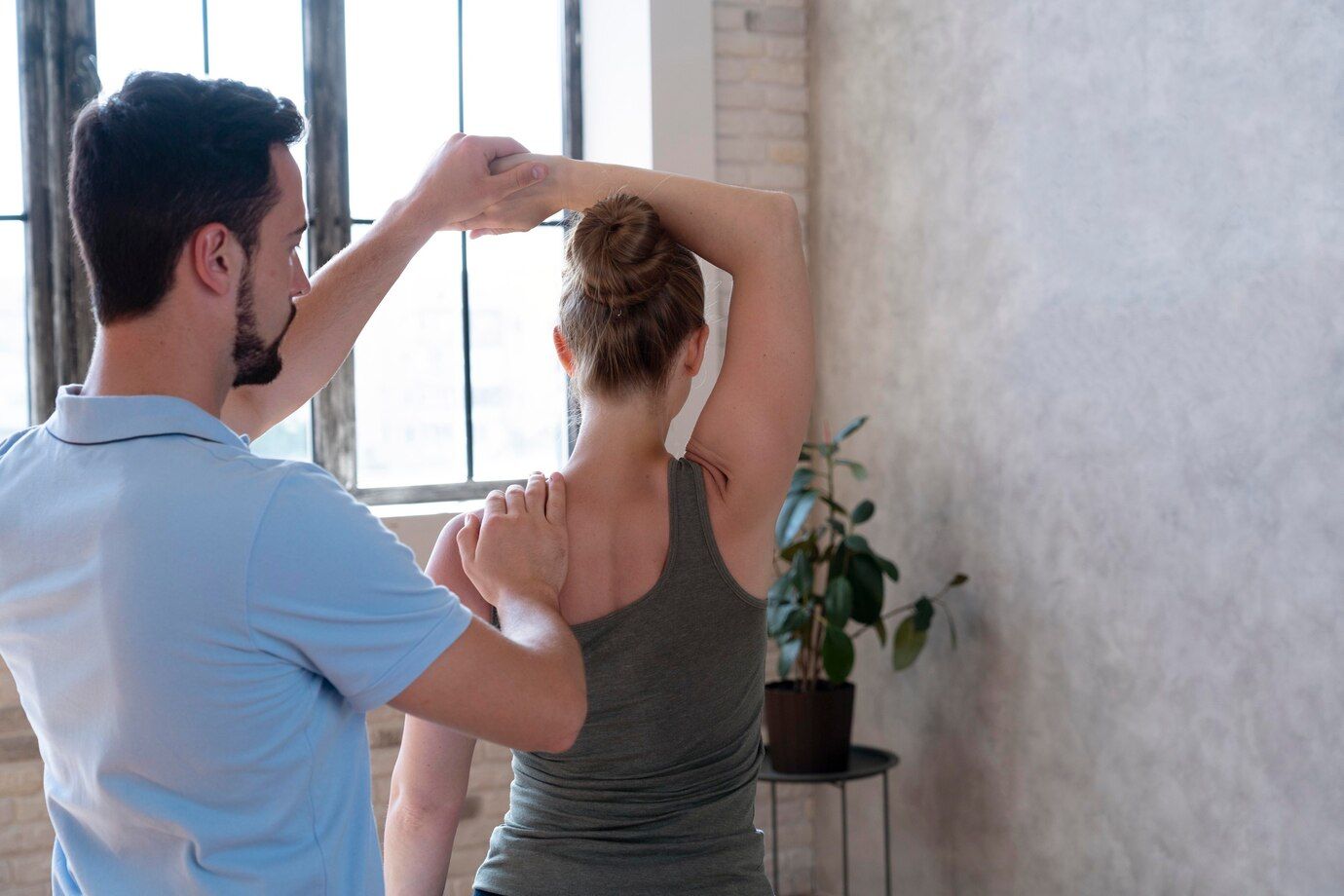
Muscle work & soft-tissue therapy
Tight, overworked muscles pull joints out of alignment. Muscle work releases that tension so adjustments hold longer and you recover faster.
- What to expect
- Treatment is targeted, not a spa massage. Expect firm pressure on tight spots, assisted stretching and percussive work with a massage gun.
- Includes
- Massage gun muscle activation
- Trigger point therapy
- PNF stretching
- Often used for
- Calf strains, Achilles tendonitis, shoulder tension, tennis elbow and muscle-related headaches. See conditions →
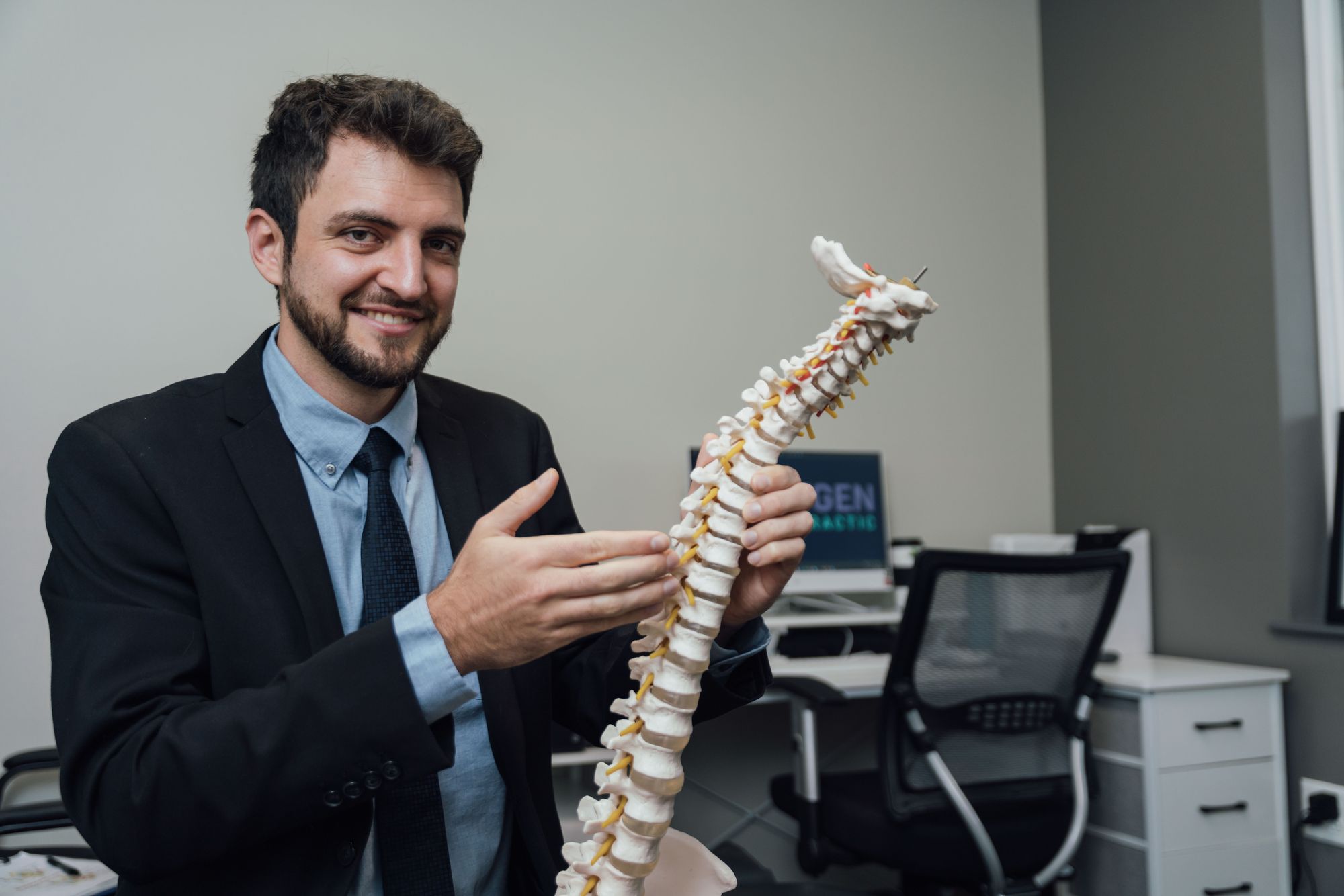
Intersegmental traction (roller table)
Intersegmental traction uses a table with gentle moving rollers that travel along your spine, mobilizing each segment and warming up the muscles.
- What to expect
- You lie face up while rollers slowly move beneath your back for several minutes. Most patients find it relaxing, and it's often used before an adjustment.
- Includes
- Gentle spinal mobilization
- Muscle warm-up
- Relaxing
- Often used for
- Stiffness, poor posture, arthritis and preparing the spine for adjustments. See conditions →

Neck & low back decompression
Spinal decompression gently stretches the neck or low back to take pressure off discs and nerves, giving irritated tissue room to heal.
- What to expect
- A slow, controlled stretch is applied to your neck or low back. It should feel like a gentle pull, never pain.
- Includes
- Neck (cervical) decompression
- Low back (lumbar) decompression
- Often used for
- Pinched nerves, sciatica, degenerative disc disease and radiating arm or leg pain. See conditions →
CompareWhich technique is right for me?
You don't have to choose. Dr. Sanio recommends techniques after your exam. Here's how they compare.
| Technique | How it feels | Pop / cracking sound? | Best for |
|---|---|---|---|
| Manual adjustment | Quick, firm push by hand | Often, a harmless release of gas | Most spine and joint problems |
| Activator instrument | Light, fast tap | No, just a soft click | Sensitive patients, arthritis, first-timers |
| Muscle work | Firm pressure and stretching | No | Tight muscles, strains, recovery |
| Roller table traction | Gentle rolling along the back | No | Stiffness, warm-up before adjusting |
| Spinal decompression | Slow, gentle stretch | No | Disc and nerve pain, sciatica |
Who we help
Athletes & active adults
Tennis, pickleball, running and gym injuries. Dr. Sanio plays too, and treats for recovery and performance.
Desk workers
Neck pain, "text neck," headaches and low back stiffness from long hours at a screen.
Kids & families
Gentle care for growing spines after falls and sports, plus education for parents on spinal health.
Chronic pain
For people who've tried medication, injections or "living with it" and want a hands-on, drug-free option.
Start with a new patient visit
Consultation, hands-on exam and, when appropriate, your first treatment, all in one visit. New patients: $69 exam + adjustment.
*New patients only. Includes consultation, exam & one adjustment if clinically appropriate. X-rays & add'l services not included. Not valid for Medicare, Medicaid or federally funded plans. Exp. 11/30/26.